
News
Calligraphy and Painting Mounting: An Exquisite Craft Endowing Artworks with Eternal Charm
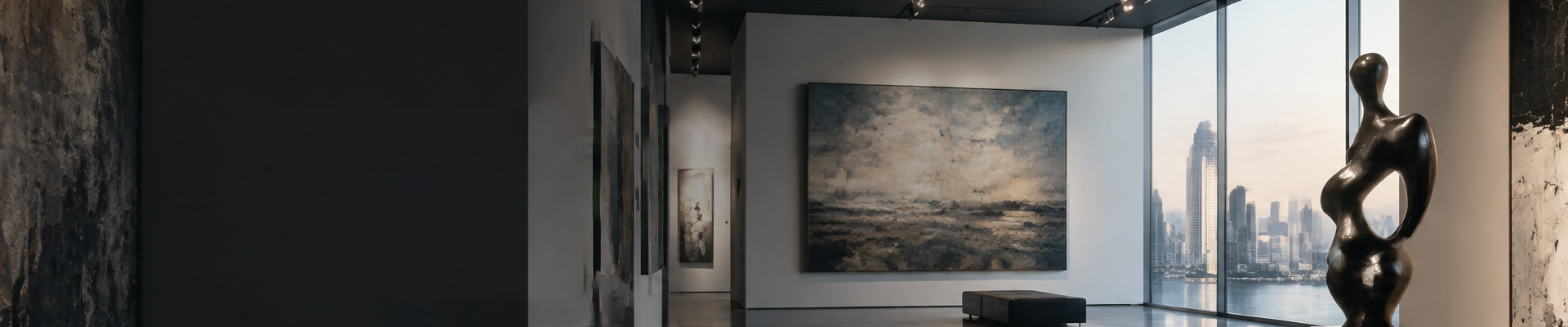
The Significance of Calligraphy and Painting Mounting Elevation of Artistic Value A solitary calligraphy or painting work, after being mounted, can have its artistic expressiveness significantly enhanced. Suitable mounting styles, color schemes, and material choices complement the style of the work itself, creating a unique artistic atmosphere. For instance, a light and elegant ink wash painting paired with minimalist and elegant mounting can further highlight its ethereal artistic conception, as if transporting the viewer into a tranquil and distant ink world; whereas for an oil painting with intense colors and bold brushstrokes, pairing it with a magnificent and textured frame can further strengthen its visual impact, making the work more compelling and enjoyable. Protecting the Artwork Itself Calligraphy and paintings mostly use paper or silk as carriers; these materials are relatively fragile and susceptible to erosion by external environmental factors such as dust, humidity, and light. During the mounting process, multiple layers of protective materials, such as backing paper and silk, are added to the artwork. These effectively isolate adverse external factors, preventing fading, yellowing, damage, and creasing. This greatly extends the lifespan of the work, allowing it to survive the passage of time intact and pass on the torch of art. Facilitating Display and Collection Mounted calligraphy and paintings acquire a neat appearance and a structure convenient for hanging or display. Whether in a home living room, study, or professional venues like museums and galleries, they can be presented in a beautiful and orderly manner. At the same time, unified mounting specifications facilitate the classification, organization, and storage of the works, allowing art enthusiasts to better manage and appreciate their collections. Common Types of Calligraphy and Painting Mounting Traditional Chinese Mounting Hanging Scroll Mounting: This is the mounting form most representative of traditional Chinese cultural charm, often used for calligraphy and traditional painting works. Its structure consists of the painting core, the top header (heaven head), the bottom footer (earth head), the water margin, the border silk, and the top and bottom rods. The painting core is the central part of the work; the top and bottom headers serve to set off and balance the image, while the water margin and border silk add decoration and depth. Once the rods are installed and the scroll is hung, it naturally falls, displaying an ancient, elegant, and solemn beauty, which is very suitable for showcasing the charm and artistic conception of traditional painting and calligraphy. Horizontal Scroll Mounting: Mostly used for horizontal calligraphy and painting works, the overall structure is relatively simple, mainly involving bordering around the painting core to allow the content to be displayed flatly. It gives a stretched, open visual feeling and is common in the mounting of landscape scrolls and long calligraphy works, better reflecting the continuity and integrity of the work. Album Mounting: Compiling multiple small calligraphy or painting works into a book is like a volume of art. It takes various forms, such as butterfly style and push-pull style. As one turns the pages, exquisite works appear one by one; it is convenient for appreciation and conducive to preservation, possessing strong cultural connotation and artistic ornamental value. It is often used to collect small, precious painting and calligraphy works. Modern Minimalist Mounting With changes in modern aesthetic concepts, mounting in a minimalist style has become increasingly popular. This type of mounting usually employs simple lines and geometric frames, mostly selecting modern materials like aluminum alloy, acrylic, and metal, with colors dominated by neutral tones or solid colors that coordinate with the work. Abandoning complex decorative elements, it focuses on highlighting the artistic content of the work itself, allowing it to integrate better into modern homes and office environments. It creates a simple, bright, stylish, and grand spatial atmosphere, meeting modern people's pursuit of simplicity and efficiency in aesthetics. European Classical Mounting European classical style mounting is often full of luxury and weightiness. Frames are mostly made of solid wood, undergoing fine carving, gilding, and painting crafts to present complex and elegant patterns, such as scrolling grass patterns, shell patterns, and angel figures, highlighting the nobility and magnificence of a European court. This type of mounting complements classical oil paintings and court paintings, seemingly leading the viewer through time and space into a European art hall to feel the rich historical and cultural atmosphere and artistic vibe. The Process of Calligraphy and Painting Mounting Inspection and Preparation Stage Upon receiving a calligraphy or painting work, the mounter must first conduct a comprehensive and detailed inspection to check for damage, stains, fading, etc., while understanding the material, style, and size of the work. Based on these factors, the mounting plan is determined, and suitable mounting materials are selected, including frame material, silk or mat board types, and adhesive types, ensuring full preparation for the subsequent work. Backing the Painting Core This is a critical foundational step in mounting. For paper-based works, special paste must be evenly applied to the back of the painting core first, then smoothly adhered to the backing paper. Tools like a flat brush are used to carefully flatten and compact it, ensuring no air bubbles or creases exist between the core and backing paper, making the bond tight, and the core firmer and flatter, laying a good foundation for subsequent bordering and backing steps. Bordering and Trimming Based on the selected mounting style, corresponding materials like silk or mat board are chosen as borders to paste around the painting core. During pasting, one must precisely control the width and angle of the border and its connection with the core to ensure a harmonious and beautiful match. Afterward, cutting tools are used to precisely trim the overall piece, ensuring edges are neat and straight, giving the mounted work a regular and refined appearance. Backing Cover and Framing After bordering is complete, a layer of backing paper needs to be covered on the back of the work to further enhance its thickness and firmness while providing protection. The backing cover also requires the paper to fit tightly and be flat without wrinkles. Finally, the work, having undergone the previous multiple processes, is embedded into the selected frame. If it is traditional Chinese mounting, the top and bottom rods and other components must be installed to ensure all parts are securely connected. The entire mounted work is then finalized, achieving the ideal display effect. Key Points for Selecting Mounting Materials Frame Materials Solid Wood: Warm and natural texture with unique grains. It can be crafted into various styles through carving, etc. It is often used in traditional Chinese and European classical mounting, but attention must be paid to maintenance issues like moisture and insect prevention. Aluminum Alloy: Lightweight, sturdy, and corrosion-resistant, with diverse shapes. It is widely used in modern minimalist mounting. Its surface treatment processes are varied, capable of presenting different glosses and textures. Acrylic: Possesses transparent and smooth characteristics, capable of creating a fashionable and translucent visual feel. In some modern mounting designs, it can be used in combination with other materials to add unique aesthetic appeal. Selection of Mounting Materials Xuan Paper and Silk: Common materials in Chinese mounting. Xuan paper has good ink absorption and a soft texture, while silk has exquisite luster and texture. Both are mostly used for backing, bordering, and decoration of the scroll, but attention should be paid to their quality and flexibility to ensure long-term use. Mat Board: Widely applied in modern mounting, available in rich colors, diverse textures, and different thicknesses. It can add depth and richness to the work. High-quality mat board with even texture and resistance to deformation should be selected. Adhesives and Accessories Adhesives used in the mounting process need to possess good adhesion and be environmentally friendly. Traditional Chinese mounting often uses paste made from wheat starch, which has moderate stickiness and causes little damage to the work. In modern mounting, chemically synthesized eco-friendly glues are more common. Additionally, hardware accessories used for fixing and decoration, such as hooks, screws, and nails, should be reasonably selected according to mounting needs to ensure the firmness and safety of the mounted work. Calligraphy and painting mounting is a unique craft blending artistic aesthetics with exquisite techniques, bearing the important mission of protecting, inheriting, and promoting artistic works. Every careful mounting adds a unique artistic story to the calligraphy or painting, allowing them to continue shining through the passage of time, appreciated and collected by more people, becoming never-fading bright stars in the treasure house of human art.