
News
Art Journey of Gallery Space Exhibition Design
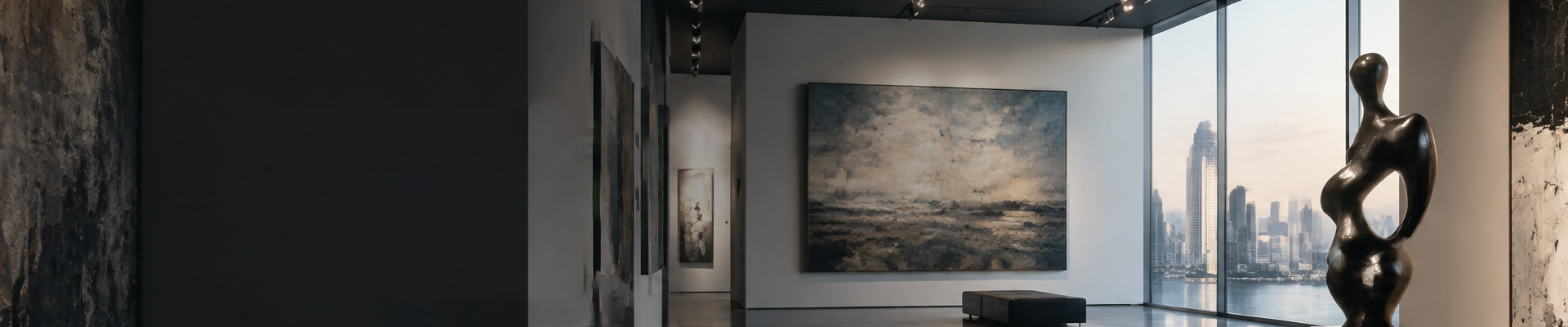
A well-designed gallery space can resonate with viewers, guide them to immerse themselves in the world of art and feel the deep meaning of the works. Below, we will delve into several key elements of gallery space exhibition design and their artistic charm.
1. Space Planning and Layout
Space planning is the first step of gallery exhibition design, which determines how works are arranged to maximize their visual effect and viewing experience. Designers need to consider the size, shape and height of the space, as well as the distribution of natural light and artificial lighting, to create a harmonious exhibition environment with rich layers. For layout, various methods such as symmetrical, asymmetrical, linear or circular can be adopted, which can be flexibly adjusted according to the characteristics and themes of the works to ensure that each work can get the best display.
2. Color and Material
The selection of colors and materials is crucial to the creation of gallery atmosphere. Color can directly affect the mood and psychological feeling of viewers, while material can add texture and depth to the space. Designers usually choose color schemes that match the style of artworks. For example, modern art may prefer simple and bright tones, while classical art may prefer warm and elegant color matching. At the same time, using the contrast and integration of different materials, such as wood, metal, glass, fabric, etc., can enrich the spatial layers and improve the overall aesthetic feeling.
3. Lighting Design
Lighting is the soul of gallery space. It can not only illuminate the works, but also enhance the artistic expression of the works. Designers need to carefully design the lighting scheme according to the characteristics and needs of the works. Natural light is often used for lighting in large galleries or specific areas because of its soft and uniform characteristics; while artificial lighting can accurately highlight the details and texture of works by adjusting color temperature, brightness and beam angle. In addition, the use of dynamic lighting and scenario lighting can also add more artistic atmosphere and layering to the gallery space.
4. Guidance and Interaction
In the digital age, the exhibition design of gallery space has also begun to focus on improving guidance and interactivity. Through modern scientific and technological means such as digital guidance systems, AR/VR technology, and touch screen interactive devices, viewers can obtain work information more conveniently and even participate in the creation process of the works. This enhanced interactivity not only improves the sense of participation and experience of the audience, but also promotes the in-depth integration of art and technology, bringing new vitality to the gallery space.
5. Theme and Narrative
Each gallery exhibition should have a clear theme or narrative clue, which runs through the entire exhibition space and guides the audience to gradually go deep into the world of art. Designers need to work closely with curators to skillfully integrate the theme or narrative clues into the exhibition design through various means such as space layout, color matching and lighting design. In this way, the audience can feel a coherent and logical artistic experience during the visit, so as to better understand and appreciate the works.
To sum up, gallery space exhibition design is a comprehensive art integrating space planning, color matching, lighting design, guidance interaction and theme narrative. It requires designers to have profound artistic literacy, keen aesthetic vision and innovative thinking, and create a beautiful and connotative art palace for the audience through careful design and clever layout.