
News
Gallery Space Exhibition Design: A Harmonious Dance Between Art and Space
I. Design Concept: The Fusion of Art and Space
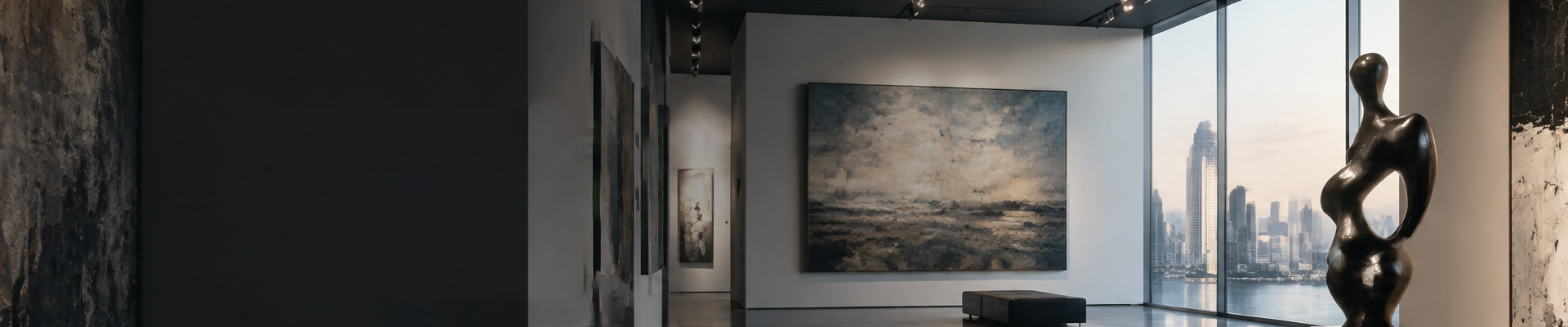
The core concept of gallery space exhibition design lies in the harmonious symbiosis between art and space. Designers need to deeply understand the style, theme, and connotation of artworks, take this as a starting point, and ingeniously conceive spatial layouts and decorative elements to make the artworks and the spatial environment complement each other. At the same time, the design should balance practicality and aesthetics, ensuring that the audience can freely appreciate the works in a comfortable environment and enjoy the pleasure brought by art.
II. Spatial Layout: Flexible and Varied, Guiding Flow
The spatial layout of the gallery should follow the principles of dynamism, sequence, and rhythm to guide the visitor flow. An orientation area can be set up at the entrance, using art installations or introduction signs to attract the audience's attention and stimulate their desire to explore. The core exhibition area should be located in the center of the space, adopting reasonable display methods such as array style, center style, or grid style to highlight the dominant position of the artworks. In addition, interactive experience areas and rest exchange areas can be set up to enrich the visitor experience and promote artistic exchange.
In spatial layout, emphasis should be placed on flexibility and variability. Using detachable and movable display boards and partitions allows the space to be adjusted according to different exhibition needs, meeting diverse display requirements. At the same time, designers should cleverly utilize the height, width, and depth of the space to create a display effect rich in layers and well-arranged.
III. Atmosphere Creation: Clever Use of Light, Shadow, Color, and Material
Atmosphere creation is an important part of gallery space exhibition design. Light and shadow effects can enhance the three-dimensionality and layering of artworks. Designers should cleverly use natural light and artificial light sources to create a warm, quiet, or mysterious viewing atmosphere. Color matching should be selected according to the style and theme of the artwork, adhering to the principle of harmony and unity, avoiding overly dazzling or chaotic colors that interfere with the audience's attention.
The choice of materials is equally crucial. Materials such as wood, stone, metal, and glass each have their own characteristics. Designers should select appropriate materials for decoration and display based on the spatial style and artwork characteristics. At the same time, attention should be paid to the texture and touch of the materials, allowing the audience to feel the unique charm of the materials when touching the artworks.
IV. Interactive Experience: ** Combination of Technology and Art
With the development of technology, interactive experience has become a new trend in gallery space exhibition design. Designers can use modern technological means such as AR/VR technology, touch screens, and sensor devices to bring an immersive art experience to the audience. For example, AR technology can be used to place artworks in a virtual environment, making the audience feel as if they are on the scene of art creation during the viewing process; or touch screens can be used to display information such as the creation background of the artwork and artist introductions, enhancing the audience's sense of participation and interactivity.
V. Case Study: Space Design of FIUFIU Gallery
FIUFIU Gallery is located on Yuyuan Road in Shanghai, and its space design can be called a model of the fusion of art and space. The designers used a natural white tone to restore the clean attributes of the gallery itself, while using detachable and movable display boards to fill the space with variability and possibilities. In addition, the gallery cleverly introduced multi-level lighting, creating a warm and quiet atmosphere, providing the audience with ** viewing experience.
Gallery space exhibition design is a comprehensive discipline integrating artistry and practicality. Designers need to deeply understand the connotation and style of artworks, and skillfully use means such as spatial layout, atmosphere creation, and interactive experience to create a spatial environment that not only meets the needs of artwork display but also guides the audience's emotional experience. In future development, with the continuous integration of technology and art, gallery space exhibition design will present a more diversified and innovative trend, bringing a richer and deeper art experience to the audience.